Why So Many Sciatic Nerve Treatments Stop Working After 50 —
And the Reason Most People Never Find Out
New findings may explain why injections, stretching, and pain pills often stop working — and why the pain keeps coming back no matter what you try.

Free presentation — no purchase on this page. No email required.
No product pitch on this page. This is an independent research summary.
If You've Been Living With Any of These,
This Research Was Written for You
For adults over 50, what researchers now call sciatic nerve decay is increasingly common — a progressive cycle that tends to worsen over time when the underlying cause isn't addressed.
- Moderate to severe pain in your lower back, hips, buttocks, or down your leg
- Numbness or weakness in your legs, feet, or toes
- Shooting or burning sensations down your leg
- Pins and needles that won't go away
- Pain that makes sitting in a car, walking the dog, or sleeping through the night difficult
- Treatments that worked briefly — but the pain returned anyway
If you've tried physical therapy, injections, stretching routines, or over-the-counter pain pills — and the results were temporary at best — you're not alone. And it may not be because the pain can't improve. It's because every one of those methods addresses the wrong problem.
Why Most Sciatic Nerve Treatments
Were Never Designed to Last
Many standard approaches to sciatic nerve pain share a common assumption: your spine is the problem. Bulging disc? That's why you're hurting. Spinal stenosis? Fix the spine, fix the pain.
But a paper from the North American Spine Society challenges that assumption directly. Half of all adults in their 30s already have disc degeneration — and most feel no pain at all. The discs are not the cause.
"Disc problems are part of the normal aging process rather than pathologic processes requiring intervention." One doctor even compared bulging discs to gray hair — they do not always indicate pain.
— North American Spine Society, peer-reviewed researchHere's what independent research shows about the most common approaches — including injections and physical therapy, which may reduce one aspect of the pain temporarily but leave the underlying process untouched:
Australian scientists reviewed 35 clinical studies and found that widely used pain medications showed limited effectiveness compared to placebo in several peer-reviewed studies.
Spinal procedures often don't address what's actually driving the pain — which is why results vary so widely.
If treatments have stopped working, there may be a reason most doctors haven't mentioned.
What Have Treatments Been Missing? Free presentation — no email required
Why Lasting Results May Require
Addressing More Than Just Inflammation
Most treatments for sciatic nerve discomfort focus on the same target: reducing inflammation around the spine. And for many people, that reduces the pain temporarily.
But according to researchers, inflammation is only one part of what's happening. There is a specific biological trigger — identified in studies from institutions including MD Anderson Cancer Center — that most treatments never address. And as long as that trigger remains active, the pain cycle keeps repeating.
What Adults Over 50 Are Saying
After Addressing the Root Cause

"After years of pain shooting from my hip all the way down to my foot, I finally slept through the night. Within days, the discomfort I'd lived with for so long was dramatically reduced."

"After two years of prescription drugs and over-the-counter products that only masked things, I finally started noticing real improvement. My situation keeps getting better — something none of the other approaches ever delivered."
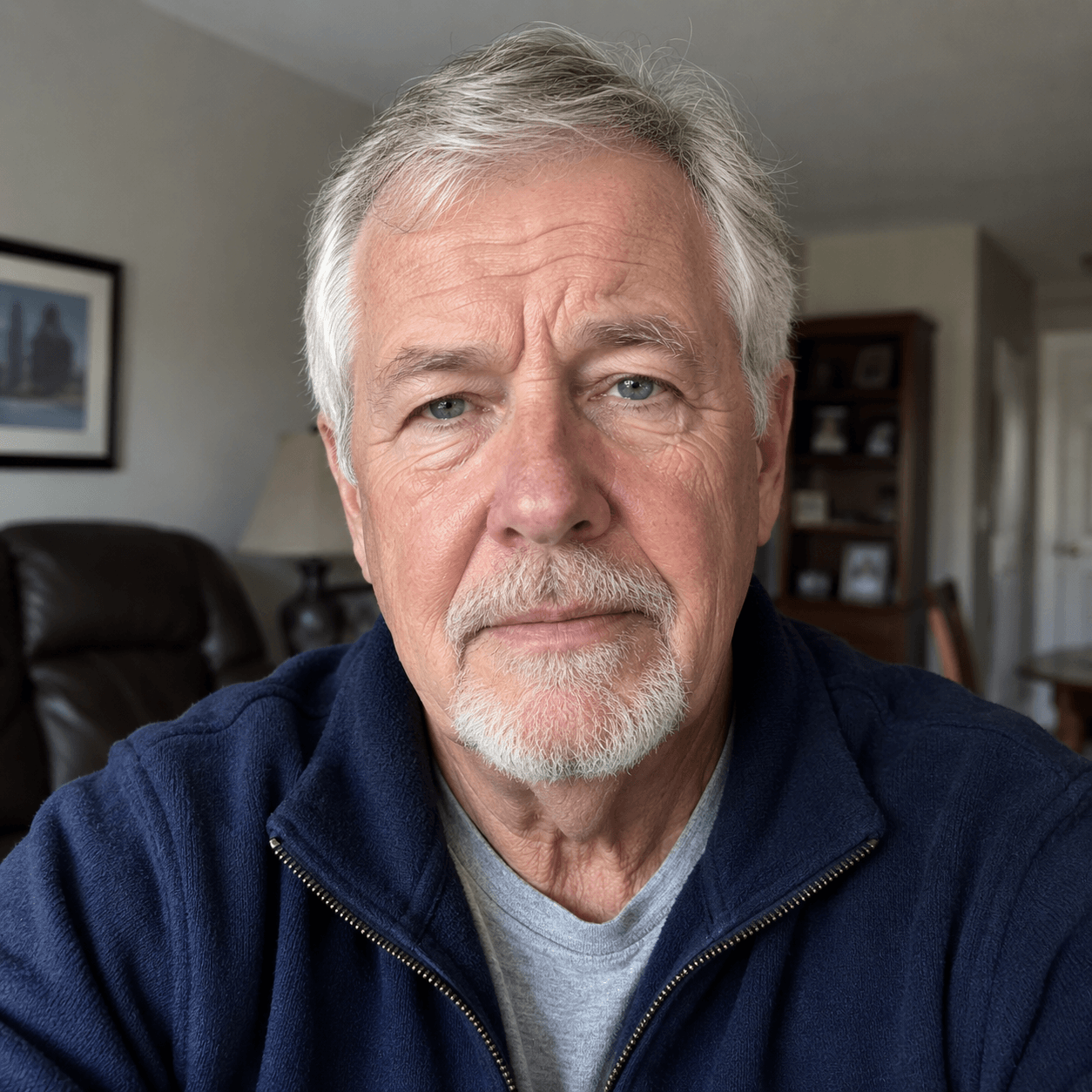
"Pain pills, acupuncture, yoga — everything I tried would eventually flare back up. When I finally tried something that went beyond just managing the symptoms, that cycle stopped."
No obligation. This is a free educational presentation.
What People Ask Before
They Finally Get Answers
Managing the Pain — or Finally Free From It?
This presentation is free. The research is real. And the decision is yours.
- Understand why so many standard treatments provide only temporary results
- See the clinical research behind an approach most doctors haven't mentioned
- Understand what researchers identified as the missing piece most treatments ignore
- No purchase required — this is a free educational presentation
No email required to access. No product purchase on this page.